
How much are missed calls really costing your home service business?
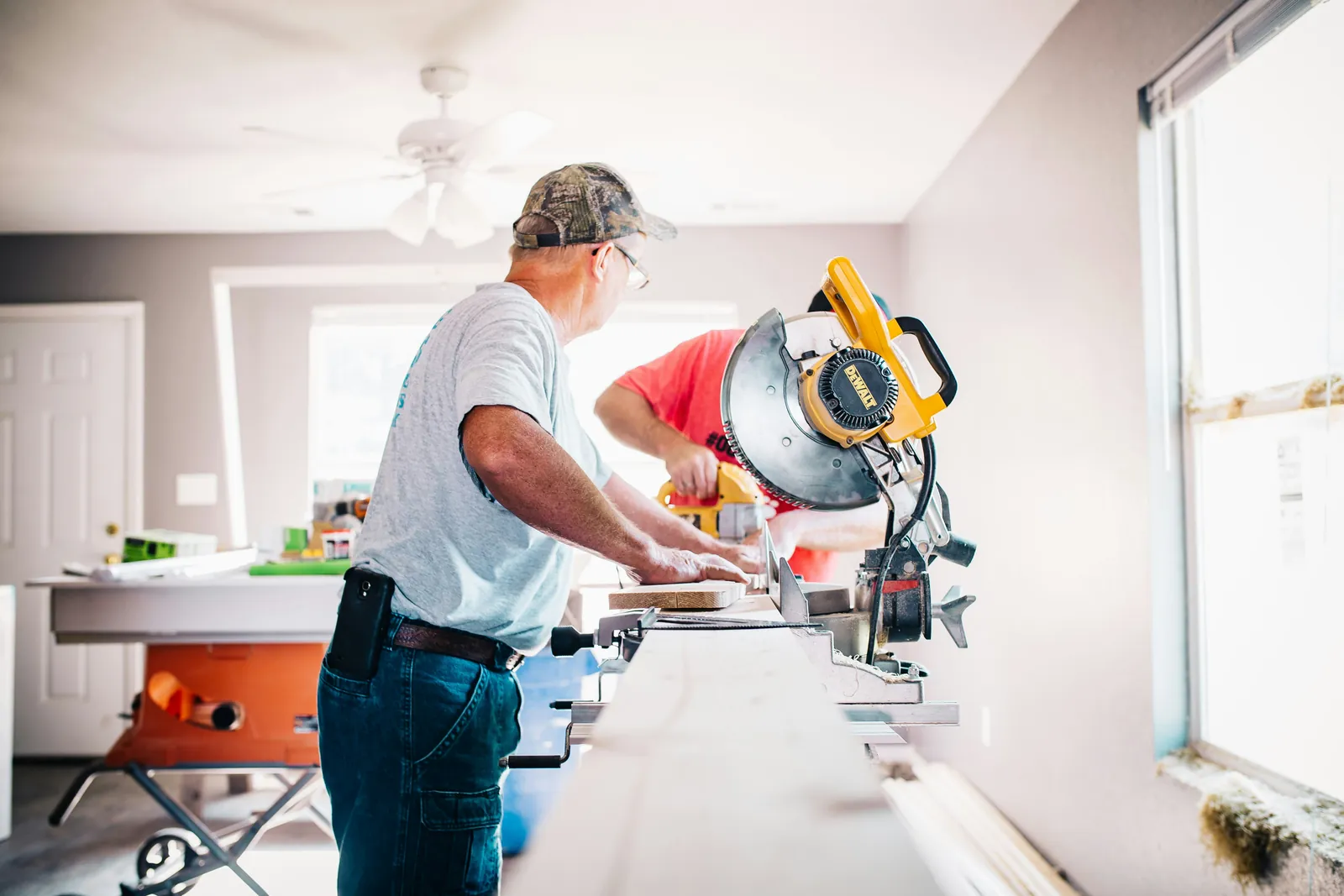
Most contractors track ad spend obsessively and missed calls not at all. That’s backwards. The unanswered-call leak is usually larger than the marketing budget that created those calls in the first place.
How big is the leak, really?
Bigger than it feels day to day. Small and mid-sized service businesses drop 25–40% of total inbound call volume during normal business hours — not after hours, during them — because crews are on roofs, under sinks, and in trucks (Dialfyne service sector benchmark, 2026). That’s a quarter to nearly half of demand you already paid to generate, ringing out.

”But they’ll leave a voicemail.”
They won’t. More than 97% of consumers hang up instantly when a local business sends them to voicemail instead of a live voice (Dialfyne voicemail engagement analytics). And of the rare 3% who do leave one, about 45% have already called, spoken to, and booked a competitor by the time you call back (Dialfyne call capture data). The voicemail isn’t a safety net. It’s a goodbye.
Why does the first responder win?
Because for home services, speed is the differentiator. 78% of homeowners cite quick, direct responsiveness as the single most important factor in deciding which trade pro to hire (CallRail consumer behavior report, 2026) — ahead of price, ahead of reviews. The job doesn’t go to the best contractor. It goes to the one who picked up.
Supplemental benchmark: the long-cited MIT/HBR lead-response research found that contacting an inbound lead within ~5 minutes dramatically increases the odds of winning it versus waiting even 30 minutes. It predates the 2026 data above and is best treated as directional, but it points the same direction: speed compounds. See our deeper breakdown in How fast should you respond to a new lead?

What the leak actually costs
Run your own number: average job value × jobs per month × the share of calls you miss. For most contractors that figure is uncomfortable — and it’s recurring every single month. The fix isn’t “try harder to answer.” It’s making it structurally impossible for a call to go unanswered.
If you want to understand the tool that closes this gap, read What does an AI voice agent actually do for a contractor? — it explains exactly how automated answering converts after-hours and overflow calls into booked jobs.
Sources: Dialfyne — missed call statistics 2026 · CallRail — home services marketing statistics 2026 · MIT/HBR lead-response research (industry-cited, directional)
Frequently asked questions
How many calls is a busy contractor actually missing?
More than most owners think — service businesses commonly drop 25–40% of inbound calls during business hours alone, because crews are on active job sites and can't pick up.
Doesn't voicemail catch the lead?
Rarely. About 97% of callers hang up the moment they hit a business voicemail. Voicemail is where leads go to die, not to wait.
Why does answering first matter so much?
Home service is a fast-decision purchase. Most homeowners hire whoever responds first; responsiveness is the top factor in who gets the job.
More booked appointments. More revenue.
We build the automation that gently turns your website visitors and leads into booked appointments — no chasing, no hard sell. You just show up to more jobs.
Get My Free Booking Plan →